
Diagnostics
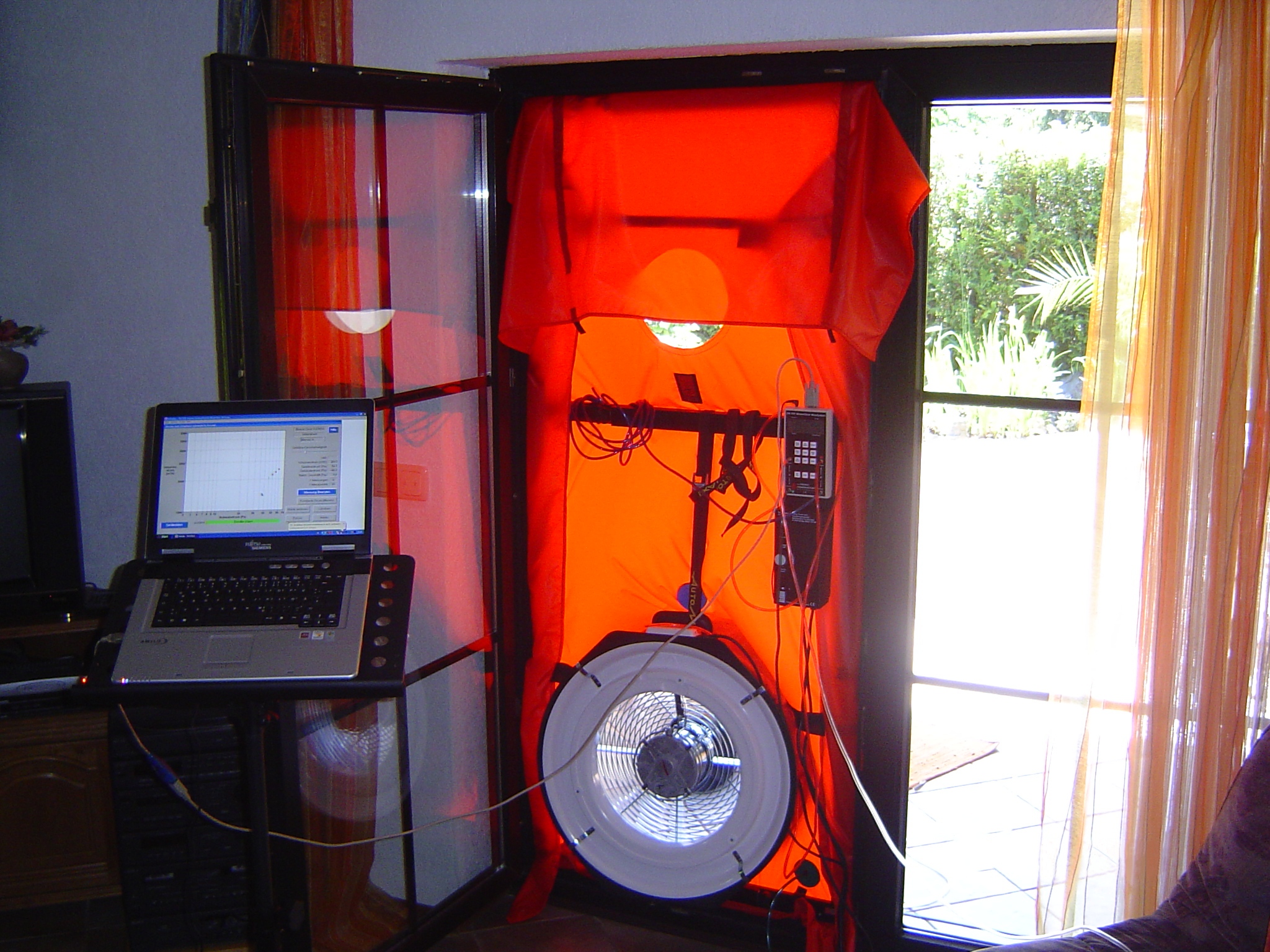
How Blower Door Tests Measure Building Airtightness
An overview of the pressure-differential method, ACH50 interpretation, and what test results mean for retrofit planning.
Read article →Leak prioritization, tape and gasket selection, and pre-retrofit air change targets — organized for contractors and energy advisors working in Canadian climate zones.
Articles
Diagnostics
An overview of the pressure-differential method, ACH50 interpretation, and what test results mean for retrofit planning.
Read article →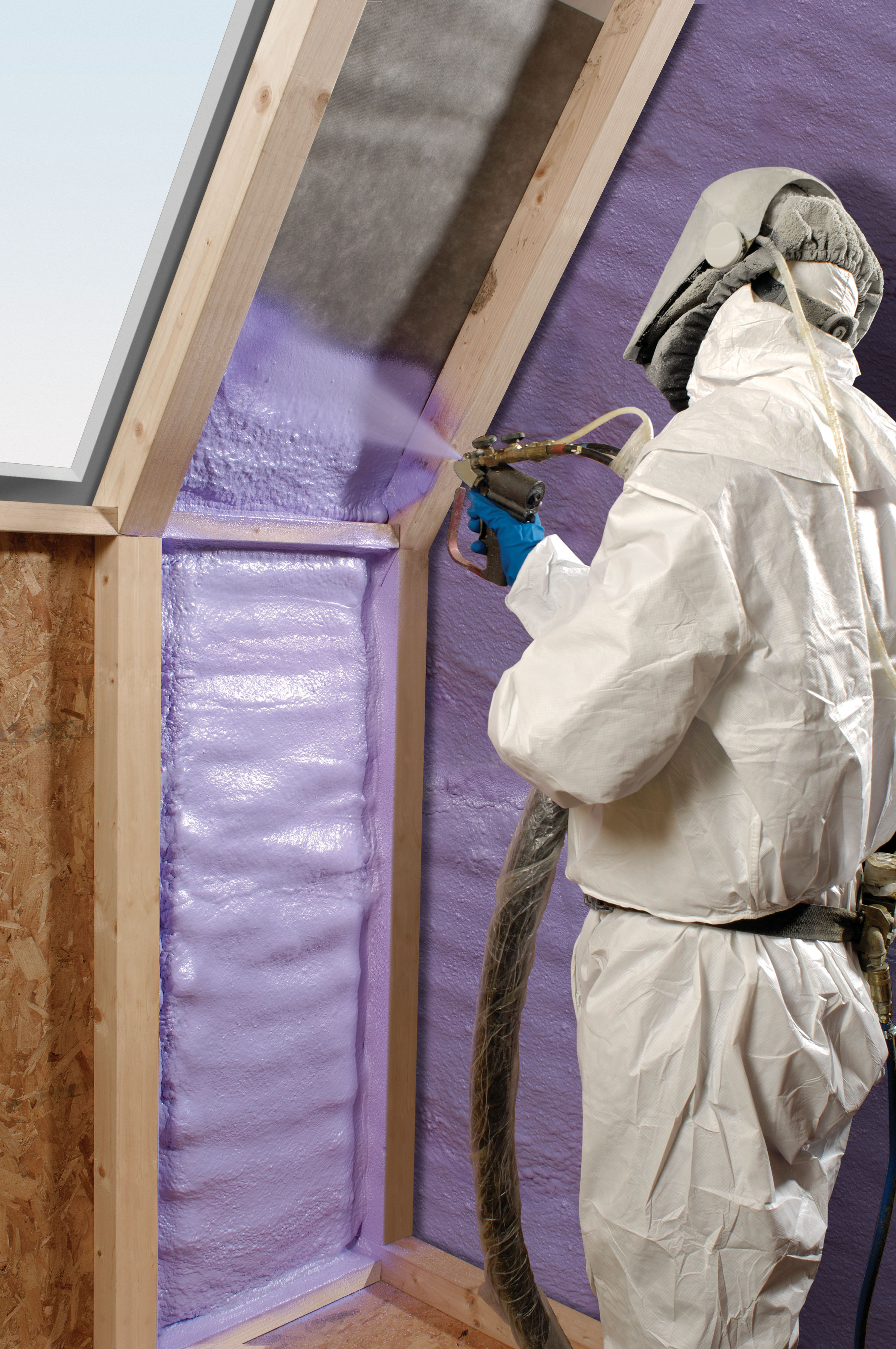
Materials
A comparison of peel-and-stick tapes, butyl gaskets, backer rod, and low-expansion foam for sealing different joint types.
Read article →
Standards
What ACH50 values typical Canadian housing stock starts at, and the targets set by programs such as EnerGuide and R-2000.
Read article →Why It Matters
Air movement through a building envelope accounts for a significant share of heating and cooling energy loss in Canadian climates. Unlike conductive heat loss through insulation, air leakage is difficult to quantify without pressurized testing. A blower door test provides a single measured number — ACH50 — that lets an energy advisor compare a building to code requirements and retrofit targets.
Effective air sealing is not about eliminating every small gap in isolation. It requires identifying the highest-priority leakage areas — typically top-plate intersections, electrical penetrations, plumbing chases, and attic hatches — and addressing them with materials appropriate to the substrate and movement expected in the joint.
The National Building Code of Canada, along with provincial variants, sets minimum airtightness requirements for new construction. Pre-retrofit audits under EnerGuide use the blower door result as one of several inputs when modelling energy savings from proposed upgrades.
Reference Numbers
3.0
The National Building Code of Canada 2020 sets 3.0 air changes per hour at 50 pascals as the maximum for new residential construction.
1.5
Natural Resources Canada's R-2000 standard requires houses to achieve 1.5 ACH50 or better, representing a notably tighter envelope than minimum code.
6–12
Older Canadian housing, particularly pre-1980 construction, often tests between 6 and 12 ACH50 before any air sealing work is carried out.
Contact
Use this form to ask a question or request additional information about the content on this site. Responses are handled by the editorial team and are not a substitute for professional advice.